

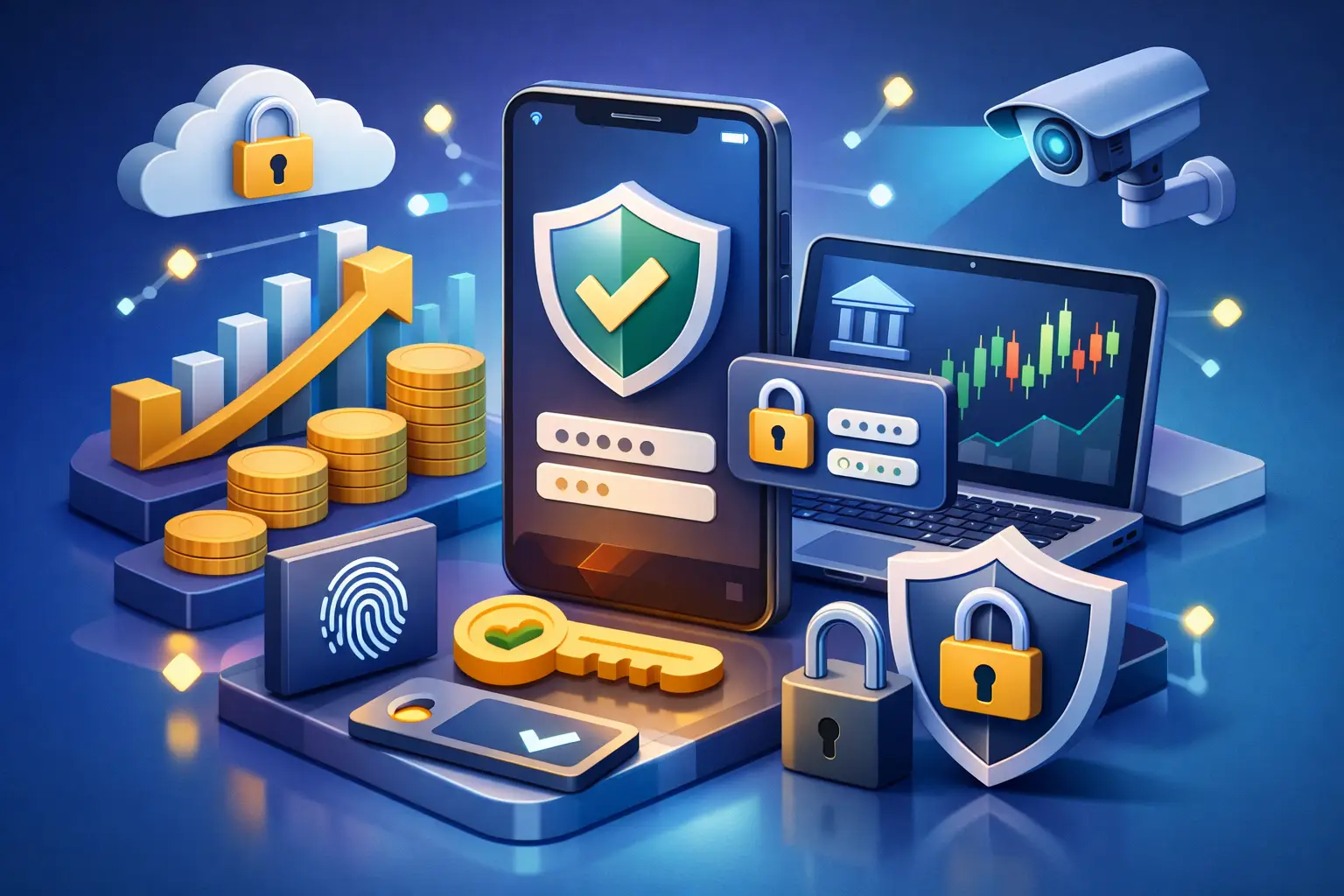
A private investment workflow can change quickly. A founder shares a data room, an investor requests financial records, a syndicate lead adds participants, and confidential materials move from review to decision. A two factor authentication investment platform helps ensure those actions are performed by the right people, not simply by anyone who has obtained a password.
For founders and investors, authentication is not a technical detail to address after a raise begins. It is part of the operating environment for presenting companies, reviewing opportunities, sharing diligence materials, and executing deals. The right controls protect sensitive information while preserving the speed that private-market conversations require.
Why investment platforms need stronger access controls
Private-market transactions involve information that should not circulate freely: cap tables, revenue data, customer concentration, product roadmaps, legal documents, investor identities, and term discussions. A compromised account can expose far more than a single file. It can give an unauthorized user a view into active fundraising activity, confidential conversations, and the people participating in a deal.
Passwords alone are a weak line of defense. They can be reused across services, captured through phishing attempts, guessed, or exposed in a breach unrelated to the investment platform. Even a sophisticated investor or founder may occasionally use a password that has appeared elsewhere. Two-factor authentication reduces the impact of that mistake by requiring a second proof of identity before access is granted.
That second factor changes the economics of account compromise. A stolen password is no longer enough on its own. The attacker also needs access to a trusted device, authentication app, hardware security key, or other approved verification method. For a platform handling private capital formation, that additional barrier is a practical baseline.
What a two factor authentication investment platform should protect
The value of two-factor authentication depends on where and how it is applied. It should not be limited to a login screen while sensitive actions inside the workspace remain easy to hijack. A credible platform considers the full path from account access to deal execution.
For founders, this means protecting company profiles, pitch materials, investor messages, team permissions, and data rooms. If a user account is taken over, the risk is not limited to document access. An attacker could alter a company profile, impersonate a founder in investor conversations, remove team members, or download materials intended for a limited audience.
For investors, the same control protects deal preferences, saved opportunities, diligence notes, portfolio-related communications, and participation in investor communities. Investor accounts can also be targets for impersonation. A bad actor who gains access may attempt to request information, introduce fraudulent payment instructions, or create false confidence with founders who recognize the investor’s name.
For administrators and deal leads, protection should be even more deliberate. These accounts often control user roles, access policies, shared workspaces, and organization settings. Requiring two-factor authentication for privileged users is essential because a single administrator account can affect many participants and multiple live deals.
Authentication methods and the trade-offs that matter
Not all second factors provide the same balance of security and usability. The best choice depends on the role, the sensitivity of the workspace, and the platform’s ability to support users without adding unnecessary friction.
Authenticator apps are a strong default for many investment platforms. They generate time-based verification codes on a user’s phone and do not rely on cellular networks. They are widely understood, relatively easy to deploy, and more resistant to SIM-swapping attacks than text messages.
Text-message codes are familiar and convenient, particularly for users who are new to authentication apps. However, SMS can be vulnerable when a phone number is compromised or transferred fraudulently. It may be reasonable as an onboarding option or recovery channel, but it is a less desirable primary method for high-value accounts.
Hardware security keys offer a higher level of protection, especially for platform administrators, fund managers, and users with access to highly sensitive diligence materials. They are difficult to phish when implemented correctly and can provide a clear control for institutional participants. The trade-off is adoption: users must obtain, carry, and manage a physical device.
Passkeys are also becoming a practical option. They can use a device’s built-in security, such as biometric verification, and reduce the need for users to enter passwords at all. Their experience can be excellent, but implementation and account recovery processes must be carefully designed, particularly when users work across multiple devices.
The right approach is usually tiered. A platform may support several secure factors while requiring stronger methods for higher-risk roles and actions. Flexibility helps users participate. Clear policy ensures that flexibility does not become an access-control gap.
Security should support execution, not interrupt it
Fundraising and diligence are time-sensitive. A founder may need to respond to investor interest that day. An investor may need to review materials before an internal meeting. Security controls that feel confusing or unpredictable can lead users to avoid the platform, share documents through unapproved channels, or delay important decisions.
A well-designed authentication experience minimizes that risk. It gives users a clear setup flow, explains why verification is required, remembers trusted devices within reasonable limits, and prompts again when risk increases. Examples include a login from a new location, an attempt to change account credentials, or a request to download a substantial set of confidential files.
The platform should also distinguish between routine activity and high-impact actions. Requiring verification at every click creates friction without necessarily improving security. Requiring it when a user changes bank-related instructions, modifies access permissions, exports sensitive data, or invites new administrators is more proportionate to the risk.
This is especially relevant in a connected investment ecosystem. Founders need to showcase startups and organize materials. Investors need efficient discovery and structured diligence. Communities and pitch-oriented collaboration should move opportunity forward. Authentication should reinforce that workflow by protecting the moments where trust matters most.
Questions to ask before choosing a platform
When evaluating a two factor authentication investment platform, teams should look beyond whether the feature exists. The quality of the implementation matters as much as the label.
First, ask whether two-factor authentication can be required rather than merely offered. Optional security is useful, but it leaves the most important accounts dependent on individual preference. A platform should allow organizations to enforce it for administrators, internal teams, and users entering restricted workspaces.
Next, review the available authentication methods. Support for authenticator apps is a strong starting point. For institutional or high-privilege users, hardware keys and passkeys can provide additional assurance. The platform should clearly state how it handles device changes, lost devices, and recovery requests.
Recovery deserves particular scrutiny. A secure login process can be undermined by an easy-to-exploit recovery path. Look for recovery procedures that verify identity, notify the account owner of changes, and avoid relying solely on information that may be publicly available or easily stolen.
It is also worth asking how authentication connects with permissions. Two-factor authentication confirms who is entering the platform. Role-based access determines what that person can see and do afterward. Strong security requires both. A verified user should still have access only to the documents, communities, pitch rooms, and deal workspaces relevant to their role.
Finally, consider visibility. Users and platform administrators should be able to recognize unfamiliar sign-ins, review active sessions, and revoke access when a device is lost or a team member leaves. Timely alerts can turn a suspected issue into a contained event rather than a long-running exposure.
Building trust across the deal lifecycle
Security is part of market credibility. Investors are more likely to engage deeply when they know a platform treats confidential information with care. Founders are more likely to centralize materials when they can control access and see that the environment is built for serious capital conversations.
FinReef’s connected model of startup discovery, investor access, pitch collaboration, and secure deal execution reflects why that foundation matters. Security cannot be separated from the workflow when the workflow carries sensitive information from the first introduction through diligence and decision.
Two-factor authentication will not eliminate every risk. Users still need to recognize suspicious messages, protect their devices, and confirm changes to payment or deal instructions through trusted channels. But it provides a meaningful control against one of the most common paths into private accounts: a compromised password.
The strongest investment platforms make security visible where it supports confidence and quiet where it should not slow legitimate work. When access is verified, permissions are disciplined, and recovery is carefully controlled, founders and investors can keep their attention where it belongs: evaluating opportunity and moving credible deals forward.